



Top Tips for Buying Just the Right Microscope
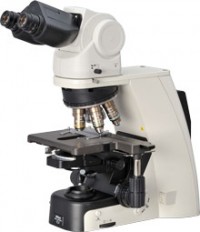
Microscope can be a lot of help in your home studies. While you may get a chance to study micro-sized objects in your school or college laboratories, studying them in the privacy and quiet of your home makes a lot of difference in understanding the subject well. Mazurek Optical Services have large microscope sales and guide you to choose just the right one. Here are some tips from them.
The most basic categories into which microscopes fall are high power and low power. For observation of objects like bacteria, life in lake water, blood cells and insect legs, a high power microscope should be used, while for observing objects like a fly, a bee, coins, sand grains etc, a low power microscope is perfect.
Microscope for Children
If your children want to study micro-sized objects under the microscope, don’t buy a plastic toy microscope. You should buy ones with glass optics and metal frames. However they are rarely found in common stores. Find a company that also offer slides and other support materials along with the microscope, so that the children will understand the objects more and enjoy using the instrument.
High Power Microscope
You can get high power microscope of up to 1000X. These have a light below the specimen. You can see the image if the light passes through the object. So, you cannot see a coin through a high power microscope because light won’t pass through it. You can see only a big black round on a white background. A maximum magnification needed for most high power microscopes is 400X.
Built-in Light Source
Earlier microscopes used to have a mirror through which light used to pass towards the object and create the image. However, mirrored microscopes are hardly sold these days. So, look for a model that has built in light source.
Low Power Microscope
Normally low power microscopes have both lights – top (reflected) and bottom (transmitted). These are fine for observing transparent and opaque specimens as well. These specimens include fabric weaves, coins, sand, insect wings, whole insects, stamps, soil and small-sized electrical parts. Magnifications range between 10X and around 80X.
Most low power microscopes have two eyepieces and an individual objective lens for each of them. This brings about triangulation and gives a “stereo” i.e. 3D image. Therefore these microscopes are also called “stereo” or “dissecting” microscopes.
Usually there are three types of stereo microscopes – with a single power, with two individual powers and zoom models.
At MazurekOpticalServices.co.uk, you will get more detailed information on microscopes and you can also choose from the high quality microscopes in their stock.


