



6 Great Tips for Teaching Your Child to Read

It’s important that a child should learn to read on appropriate time. Studies have shown that if a child is unable to read in the 4th grade, s/he has 78% chances of never catching up. Reading teaches your child to connect with written language. Written material is a powerful medium of study and getting information. If your child is not reading up to the age of 6, you should take it seriously. Here are some useful tips on how to teach a child to read.
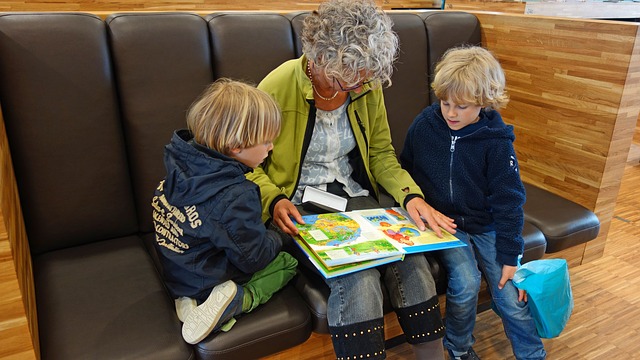
1. Read to Your Child
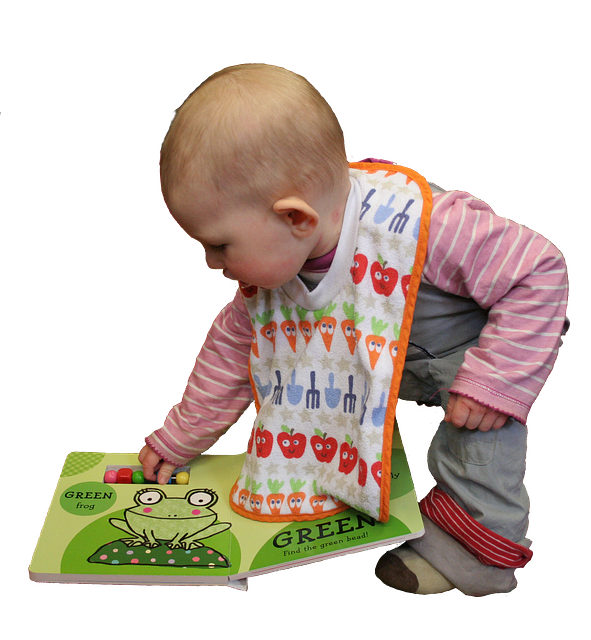
Reading is a process that actually starts at infancy. Hey, I don’t mean that you should start teaching your infant to read with the help of flashcards. The best thing to do is start reading to your child just within days after s/he arrives in home. This will not only form a special bond between you two, but also will instill affection for books in her/him. Pleasant memories connected to reading will inspire her/him to love reading in the future.
How much to read to your child depends on you, the time available and yours and the baby’s comfort level. But make it a point to read at least 3-4 different books with colorful pictures and texts even if your baby is very young. While s/he gets older, s/he can sit for longer. Best is to make entire family read together for at least 20 minutes every day. You can get a range of books meant for different age groups. But soon you will find which type of books your baby enjoys the most and your choosing process will become easy.
2. Ask Questions
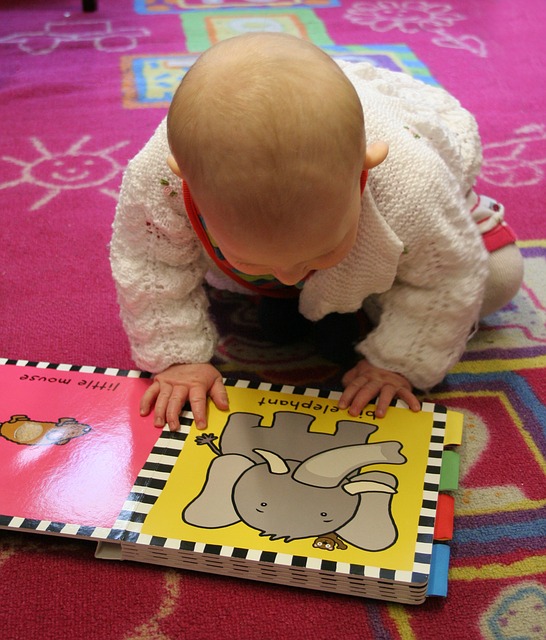
It’s great to ask questions to your child (if the child is old enough to be able to talk) while reading because it not only encourages your baby to understand what your are reading but also is very effective in creating an ability in her/him to comprehend what is being read. If your main goal is to just “sound out” words to the child, you have completely missed the boat. An ability to comprehend should be your main goal, because without that ability, there is no point in reading. Even children having the ability to read with great fluency and decode words are sometimes not able to comprehend what is being read or what they are reading.
To a baby child, you should ask questions like “Do you see the bird?” showing her/him the picture of the bird. This will increase her/his vocabulary and also encourage her/him to understand the book. After s/he gets older, you can ask her/him to point to the pictures and make noises of animals, birds or things in the pictures.
3. Become an Ideal for Your Child for Reading
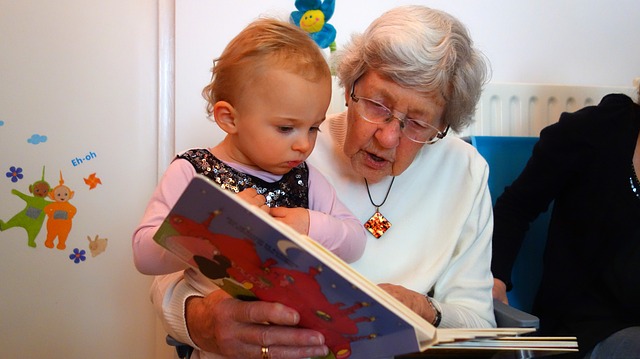
Though you are successful in creating a fascination in your child’s mind about reading, the fascination may soon diminish if s/he doesn’t find a model reader in her/his home. If you yourself are not a passionate reader, make a serious effort to let your baby see your reading for some minutes at least every day. You can read anything – a magazine, your Bible, a novel or a cookery book. But let your child understand that reading is an essential activity like eating and sleeping. As a rule of thumb, girls have a tendency to copy their moms while boys tend to imitate their fathers. But in any case, it’s better for both of you and your child to read something every day.
Incorporate Letters in Multiple Development Areas
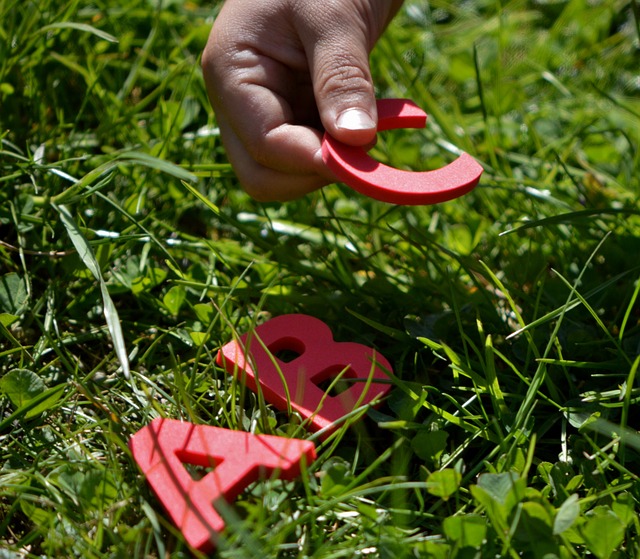
Your child’s development takes place through multiple areas. S/He sees, hears, tastes, smells and touches. S/He walks, falls down, runs, climbs up and down, chases, cries, laughs and does many things. If you can show your creativity, you can incorporate letters, words or even small texts in many of these development areas. Remember that more than learning letters, learning their sounds is important. You can decorate alphabets, either by drawing them or cutting colorful papers in their shapes and embellishing them, by which the child not only learns about the shapes of the alphabets but also their sounds. Playing games that involve letters is also a fun way for a child to get connected with letters. However, remember not to let the child play games which involve some or the other type of learning all the time; the child should also get some space to experience and enjoy other things, than the academic ones.
Don’t Expect Your Child to Be a Superfast Reader
In anything you teach your child, don’t expect her/him to be a superhero! To put it in other words, don’t pressurize your child for anything. Similarly, about reading too, don’t expect too much from her/him, like extreme speed, extreme fluency or any such things. Parents who see others’ children having some outstanding capabilities usually expect their children too to go that far. However, they should remember that every person and every child is different. Your aim should be to develop a liking for reading in your child and not to make her/him an extraordinary reader, so that you can boast of her/him among your friends and your friends may envy you. Enjoy the learning process of your child and you will understand how pleasant it is to see her/him learning rather than comparing her/him with other children.
Learn How to Teach Your Child to Read from Jim at HowToTeachAChildToRead.org
Jim at HowToTeachAChildToRead.org is a reading teacher and has successfully taught children to read by combining two simple and scientifically proven techniques. These techniques enable your child to read and become a rapid and fluent reader, without any stress.
Jim has taught children of all ages to read, even as young as 2 and 3 years. Numerous parents are grateful to him for applying these methods to teach reading to their children and have sent letters, photos and videos of their children, which you can see on his website.
If your child is not reading, there is nothing to worry about; apply the above-given methods or contact an expert like Jim who will teach your child to read in the best way.


